
Sustainability has shifted from being a niche interest to a core expectation in modern education and career development. As global challenges intensify and industries transform, students entering the workforce now face a job market where eco-conscious experience holds real value.
Employers across different sectors increasingly recognize sustainability as a key indicator of adaptability, critical thinking, long-term vision, and ethical responsibility. Because of this shift, students who build environmental awareness and green skills gain a competitive advantage.
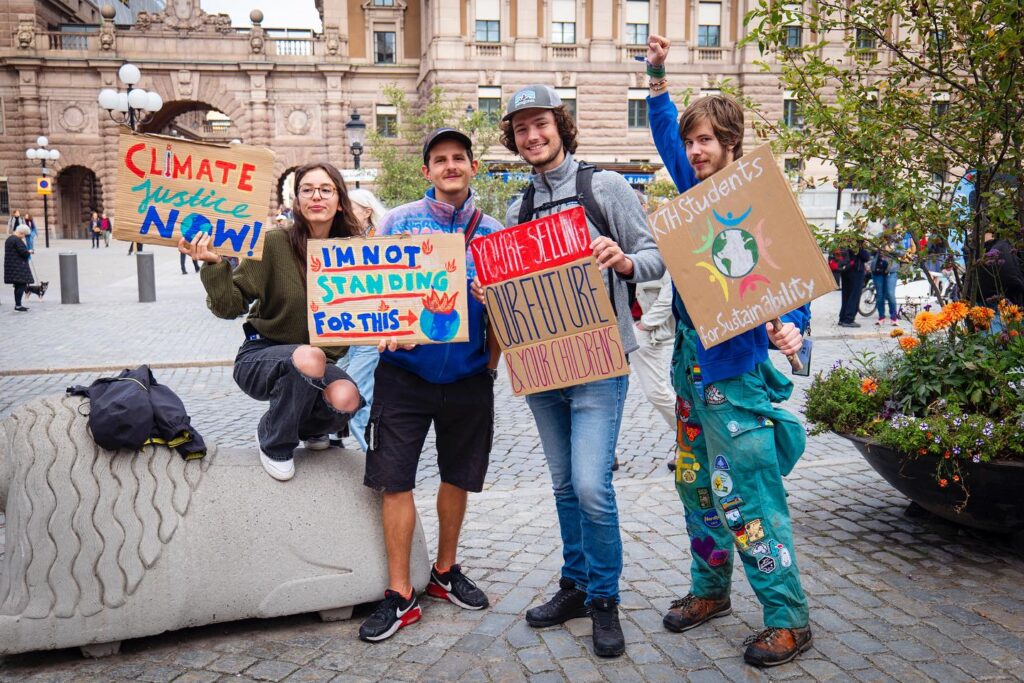
This article explores why sustainability experience matters, how employers interpret it, what type of activities and achievements make a CV stand out, and how students can build these experiences even without formal environmental backgrounds.
Table of Contents
- Why Sustainability Matters More Than Ever?
- What Counts as Sustainability Experience on a CV?
- The Green Skills Employers Look For
- Why Sustainability Experience Gives Students an Advantage?
- How Students Can Build Sustainability Experience?
- The Future of Sustainability in the Job Market
- Why Sustainability Belongs on Every Student CV?
Why Sustainability Matters More Than Ever?
Sustainability is no longer limited to environmental science or conservation fields. It influences business operations, product design, energy use, public policy, technology development, supply chain management, and community wellbeing.
Employers now see sustainability literacy as essential because:
1. Environmental Challenges Directly Shape the Economy
Climate change, pollution, deforestation, water scarcity, and biodiversity loss affect every industry. Companies need people who understand these issues and can help them adapt.
Sustainability knowledge prepares students to contribute to solutions rather than being passive observers of global problems.
2. Companies Face Increasing Pressure to Act Responsibly
Organizations now operate under stricter regulations, reporting requirements, and public expectations. Environmental responsibility affects brand reputation, customer trust, investor decisions, and long-term planning.
Students who understand sustainability principles can help organizations align with these expectations.
3. The Workforce is Changing
The rise of green jobs, clean energy, circular economy systems, and digital sustainability tools means more roles require environmental awareness.
Having green skills signals readiness for a future where sustainability is integrated into everyday work.
4. Generation Z Priorities Values
Younger generations expect workplaces to share their environmental and social priorities.
Students who demonstrate sustainability involvement align strongly with employers who priorities purpose driven work cultures.
What Counts as Sustainability Experience on a CV?
Not all sustainability experience is formal or academic. Many valuable contributions can come from everyday initiatives, community projects, or small leadership roles.
Employers look for experiences that show commitment, impact, and initiative. Examples include:
1. Campus Activities
- Leading or participating in environmental clubs
- Organising recycling drives, sustainability fairs, or awareness campaigns
- Contributing to energy-saving initiatives in dormitories or departments
- Joining university committees focused on green policies or waste reduction
2. Volunteering and Community Work
- Participating in tree planting or community gardening projects
- Joining local clean-up initiatives
- Supporting conservation programs or wildlife organisations
- Helping with food waste reduction or donation activities
3. Academic Projects and Research
- Writing papers or conducting studies on sustainability topics
- Working on renewable energy or environmental impact assignments
- Designing prototypes or systems that reduce waste or improve efficiency
- Analysing sustainability challenges in business, tech, or healthcare
4. Internships and Work Experience
- Roles in environmental NGOs or green startups
- Corporate sustainability departments or CSR teams
- Projects involving eco-friendly product design, supply chain ethics, or waste management
- Assisting with sustainability audits, energy assessments, or impact reporting
5. Personal Projects
- Starting a home composting system
- Creating educational content about sustainability
- Developing a small business or initiative that promotes eco-friendly living
- Implementing waste-reduction systems in personal or shared spaces
Every experience, even small ones, reflects initiative and awareness. Consistency matters more than scale.
The Green Skills Employers Look For
Sustainability experience is valuable because it helps students develop skills that employers now consider crucial. These skills include:
a. Systems thinking
Understanding how environmental, social, and economic systems interact helps students solve complex problems.
b. Ethical and responsible decision-making
Sustainability involvement demonstrates awareness of consequences and long-term thinking.
c. Collaboration and communication
Green projects often involve teamwork, negotiations, community engagement, and event organisation.
d. Critical thinking and problem-solving
Environmental challenges require innovative approaches, making these skills highly valued.
e. Project planning and leadership
Whether managing a recycling initiative or organising a community workshop, sustainability work builds leadership capacity.
f. Data literacy
Many sustainability projects involve data collection, analysis, and evaluation of impact.
g. Creativity and innovation
Eco-conscious thinking encourages students to redesign processes, products, and behaviours for better outcomes.
These skills are relevant across industries, not just environmental professions.
Why Sustainability Experience Gives Students an Advantage?
a. It helps candidates stand out in competitive fields
Many students have similar academic qualifications. Sustainability experience helps differentiate candidates by showcasing distinct achievements and interests.
b. It demonstrates readiness for future-focused industries
Sustainable technologies, renewable energy, eco-design, green finance, and environmental consulting are rapidly growing fields.
c. It signals strong personal values
Employers increasingly seek candidates whose values align with organisational missions. Eco-conscious involvement suggests responsibility, empathy, and purpose.
d. It aligns with corporate strategies
Businesses adopt sustainability frameworks not only for ethical reasons but also for regulatory compliance and market competitiveness. Students who understand these frameworks become valuable assets.
e. It builds credibility
Practical involvement shows real commitment, not just interest. Whether a student joins a small volunteering group or completes research, consistent action demonstrates reliability.
How Students Can Build Sustainability Experience?
Even students without environmental degrees can develop strong eco-conscious profiles. Here are practical, accessible ways to build valuable experience:
a. Start with small initiatives
Students do not need a large project. Simple steps such as coordinating recycling stations, reducing waste in dormitories, or starting a sustainability newsletter can show proactive behaviour.
b. Join campus or community groups
Participation in environmental clubs introduces teamwork, event coordination, and awareness activities.
c. Take elective courses
Many institutions offer sustainability modules related to business, policy, energy, agriculture, or technology.
d. Volunteer regularly
Local organisations often need help with clean-ups, food distribution, conservation efforts, and public education programs.
e. Seek green internships
Many companies now offer internships in sustainability reporting, CSR, supply chain transparency, or environmental auditing.
e. Document results
Tracking achievements with numbers gives strong evidence of impact. Examples include:
- Amount of waste reduced
- Number of participants engaged
- Trees planted
- Energy saved
- Workshops delivered
7. Build a small portfolio
Students can maintain a digital folder containing project descriptions, photos, data, certificates, and reflections.
8. Network with sustainability leaders
Workshops, conferences, and online communities help students meet like minded individuals and potential mentors.
The Future of Sustainability in the Job Market
Sustainability will continue to reshape the labor market. The rise of environmentally responsible businesses, alongside growing regulatory pressure, ensures that demand for green skills will increase.
Future jobs will require:
- Greater awareness of environmental regulations
- Ability to integrate sustainability into planning
- Understanding of resource efficiency and impact measurement
- Familiarity with sustainable technologies
- Competence in reporting and transparency standards
Industries from finance to fashion, technology to agriculture, hospitality to healthcare are embedding sustainability into core operations.
Students who develop eco-conscious skills early will be well prepared for these transformations.
Why Sustainability Belongs on Every Student CV?
Sustainability experience is not only beneficial but increasingly essential. It shows that a student is adaptable, informed, and aligned with evolving global expectations.
It demonstrates readiness for a future where environmental responsibility guides both personal and professional decisions.
Adding sustainability experience to a CV enhances employability, builds character, and reflects awareness of the world’s most pressing challenges.
Students who embrace sustainability cultivate valuable skills and become stronger candidates in any field.