
Sustainable luxury is redefining what modern living means. Today’s high-end homes are no longer judged solely by size and finishes. Increasingly, they are evaluated on how they treat the environment, conserve resources, and support occupant wellbeing (while still delivering comfort, style, and value).
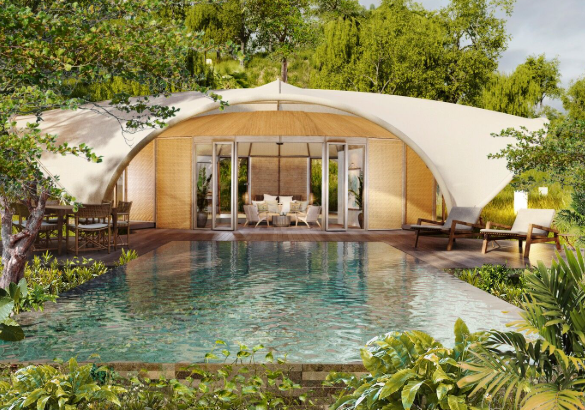
Below is a detailed look at the principles, techniques, and advantages of sustainable luxury home design; plus practical ideas so anyone considering a build or remodel can adopt eco-conscious luxury features in their home.
Table of Contents
- Why Sustainable Design Matters for Luxury Homes?
- Key Elements of Sustainable Luxury Design
- What This Means for Homeowner Lifestyle and Investment
- Practical Tips When Planning or Building a Sustainable Luxury Home
- Challenges and What to Watch Out For
- The Future: Where Sustainable Luxury is Heading
- Conclusion
Why Sustainable Design Matters for Luxury Homes?
As climate change, resource scarcity, and environmental awareness grow, luxury homes are under pressure to evolve. Sustainable design is now more than a trend.
It reflects a commitment to reduce environmental impact, improve quality of life for residents, and future-proof investments.
1. Environmental Responsibility and Reduced Impact
At its core, sustainable luxury architecture strives to minimize carbon footprint, reduce energy and water consumption, and limit waste.
By selecting environmentally friendly materials, integrating renewable energy, and designing smartly for energy efficiency, these homes actively contribute to conservation and sustainable living.
2. Health, Comfort, and Well-being
Luxury houses built with eco-conscious design focus on healthier indoor environments.
Features such as non-toxic materials, natural ventilation, access to natural light, and efficient air filtration systems create living spaces that support physical and mental well-being.
3. Long-Term Value and Cost Savings
Although upfront costs may be higher, sustainable luxury homes often yield long-term savings through reduced energy and water bills.
Their durability, energy efficiency, and appeal to eco-conscious buyers tend to increase property value.
4. Alignment with Modern Lifestyle and Ethics
More homeowners now look for residences that reflect their values: environmental stewardship, resource mindfulness, and social responsibility. A sustainable luxury home embodies these values while delivering elegance and modern amenities.
Key Elements of Sustainable Luxury Design
To deliver both elegance and eco-friendliness, sustainable luxury homes combine architectural wisdom, advanced materials, smart systems, and design strategies.
Here are the main elements that define this approach:
1. Smart Energy Use and Renewable Energy Integration
Modern sustainable luxury homes place a strong emphasis on how energy is produced, stored, and consumed. The goal is not only to reduce environmental impact but also to create homes that run more efficiently, feel more comfortable, and save money in the long term.
By combining smart technologies with renewable power sources, homeowners can enjoy a lifestyle that is both luxurious and environmentally responsible.
- Solar power systems provide clean electricity, reduce reliance on fossil fuels, and lower long-term utility costs.
- High-efficiency insulation, airtight building envelopes, and energy-efficient windows help maintain comfortable indoor temperatures with less heating or cooling demand.
- Smart home automation (climate control, lighting, energy management systems) helps optimize energy use based on occupancy and weather data.
Some sustainable homes go further: when the energy generated exceeds consumption over time, they qualify as “energy-plus” homes, meaning they contribute surplus clean energy back to the grid or storage.
Eco-Friendly Building Materials and Construction Techniques
Sustainable luxury is heavily influenced by the materials chosen during construction. Homeowners and architects increasingly select products that are kinder to the environment, healthier for occupants, and longer lasting.
These choices contribute to reduced waste, lower emissions, and an overall greener footprint without compromising on beauty or quality.
- Use of recycled, reclaimed, or rapidly renewable materials such as reclaimed timber, recycled metal, bamboo, or cork helps reduce environmental impact and promote resource sustainability.
- Preference for low-VOC paints, non-toxic finishes, and natural materials supports healthy indoor air quality and reduces chemical exposure.
- High-quality insulation, double or triple-glazed windows, and efficient glazing help regulate indoor temperature and light, cutting energy use and improving comfort.
Water Conservation and Smart Waste Management
Efficient water use is a key pillar of sustainable luxury design. As water scarcity becomes a growing global issue, modern homes are expected to minimize waste and make the most of every drop.
This approach not only conserves valuable resources but also supports long term cost savings and responsible living.
- Rainwater harvesting and greywater recycling reduce dependency on municipal water supply for landscaping, toilets, or irrigation.
- Low-flow fixtures, drought-resistant landscaping, and efficient irrigation systems help manage water use without compromising comfort or aesthetics.
- Waste reduction and responsible sourcing; from building waste to everyday household waste, make sustainable luxury homes more environmentally responsible across their lifecycle.
Design That Enhances Natural Light, Ventilation, and Well-Being
Sustainable luxury also focuses on enhancing the daily living experience of homeowners. Thoughtful design improves comfort, mood, and overall wellness by making better use of natural resources like sunlight, fresh air, and greenery.
This human centered approach shapes interiors that feel calm, enriched, and deeply connected with nature.
- Passive design principles (correct orientation, window placement, natural ventilation paths) maximize daylight, reduce heating/cooling needs, and provide healthy indoor environments.
- Biophilic elements (natural finishes, indoor greenery, landscape integration) bring a sense of calm, reduce stress, and strengthen connection with nature.
- Acoustic comfort and insulation (beyond thermal comfort, properly designed walls, insulation, and layout reduce noise, increasing privacy and relaxation quality).
What This Means for Homeowner Lifestyle and Investment
Sustainable luxury homes offer more than eco-benefits. They represent a redefinition of what luxury living can and should be. Here’s how:
1. Enhanced Lifestyle Quality
Residents enjoy better air quality, more natural light, stable indoor climates, and lower exposure to pollutants. Smart home systems add convenience while maintaining efficiency.
Outdoor spaces with low-water landscaping or rainwater irrigation require less maintenance while looking beautiful.
2. Lower Operational Costs Over Time
Energy bills drop thanks to solar power, insulation, efficient climate control, and smart systems. Water bills reduce with rainwater harvesting and low-flow fixtures.
Over years, the savings may offset upfront investments.
3. Long-Term Asset Value and Market Demand
Eco-conscious buyers increasingly prefer homes that combine style, comfort, and sustainability. Properties with verified green features appeal more and may resell at a premium.
Sustainable homes are also better placed to comply with future regulations.
4. Contribution to Environmental Stewardship
Owning a sustainable luxury home is not only about personal benefit — it’s a statement of responsibility. It supports resource conservation, reduces carbon emissions, and sets an example for sustainable living.
Communities and future generations benefit.
Practical Tips When Planning or Building a Sustainable Luxury Home
If you are designing a new home or renovating an existing one, here are actionable steps to incorporate sustainable luxury features effectively:
| Step | What to Do / Consider |
|---|---|
| 1. Define sustainability goals early | Decide whether focus is on energy efficiency, water conservation, low-impact materials, indoor air quality, or a combination. |
| 2. Choose eco-conscious materials | Prioritize reclaimed wood, recycled metals, low-VOC finishes, energy-efficient glass, and durable construction materials. |
| 3. Plan for passive design | Optimize orientation, window placement, shading, and natural ventilation to reduce heating/cooling needs. |
| 4. Integrate renewable energy and smart systems | Consider solar panels, ground-source heat pumps, smart thermostats, automated lighting and water management. |
| 5. Implement water-saving measures | Install rainwater harvesting, greywater recycling, low-flow fixtures, and drought-tolerant landscaping. |
| 6. Prioritize indoor environmental quality | Use air-filtration systems, non-toxic materials, natural light, and ventilation to support occupant health. |
| 7. Design flexible, long-lasting spaces | Use durable materials and design layouts that adapt over time, accommodating changes without excessive waste. |
| 8. Combine aesthetics with sustainability | Use sustainable materials and design strategies that maintain or enhance the home’s luxury appearance and comfort. |
| 9. Track savings and performance | Monitor energy, water use, and maintenance costs; this helps demonstrate the long-term benefits of the investment. |
| 10. Work with experienced builders or architects | Choose professionals who understand green building standards and can balance sustainability with design excellence. |
Challenges and What to Watch Out For
Sustainable luxury doesn’t come without challenges. Some of the hurdles to consider:
- Initial cost premium; high-performance materials, renewable energy systems, and smart home tech can raise upfront costs. But often these pay off over time.
- Balance between comfort and sustainability; for example, large windows for light can increase heat gain; need careful design.
- Availability of sustainable materials locally; sometimes materials like reclaimed wood or recycled metal might be harder to source depending on location.
- Maintenance and system complexity; advanced systems (solar, HVAC, water recycling) require proper maintenance to deliver benefits long term.
- Regulations and certification; attaining recognized green certifications can add complexity, but certification adds legitimacy and value.
When planned and executed thoughtfully, however, these challenges rarely outweigh the long-term gains.
The Future: Where Sustainable Luxury is Heading
Sustainable luxury design continues to evolve. Here are trends and innovations likely to shape future upscale homes:
- Energy-plus homes: dwellings that produce more energy than they consume by combining efficient design, solar panels, battery storage, and smart automation.
- Biophilic architecture and wellness integration: designs that integrate greenery, natural materials, indoor gardens, and water or light features for well-being.
- Circular materials and low-carbon construction: use of recycled, reclaimed, or locally sourced materials that reduce embodied carbon and support sustainability.
- Smart systems and AI-powered home management: automation for energy optimization, waste management, climate control, and appliance efficiency.
- Water-resilient landscaping and greywater reuse: designs that consider water scarcity, drought resistance, and ecological landscaping while maintaining luxury aesthetics.
As these trends mature, sustainable luxury homes will become not only desirable but essential. They will bridge comfort, design, and responsibility (defining the next generation of upscale living).
Conclusion
The definition of luxury is changing. It is no longer confined to grandeur, shiny surfaces, or extravagance. True luxury today combines elegance, comfort, and responsibility. Sustainable design does not compromise.
It respects the planet, supports well-being, and adds long-term value.
For homeowners, architects, and builders thinking about the future, embracing sustainable luxury means investing in a lifestyle that honors both people and the planet.
With thoughtful design, smart choices, and eco-conscious practices, modern luxury homes can, and should, lead the way into a future of better living and environmental stewardship.