
Artificial food coloring has ruled grocery shelves for decades. Those tiny neon bottles have shown up in frostings, birthday cakes, holiday cookies, and even supposedly healthy snacks. But as more people begin questioning what exactly goes into their food, a quiet revolution has been brewing in kitchens.
Natural food coloring has become the new frontier. It is beautiful, plant based, surprisingly effective, and occasionally unpredictable in the most delightful way.
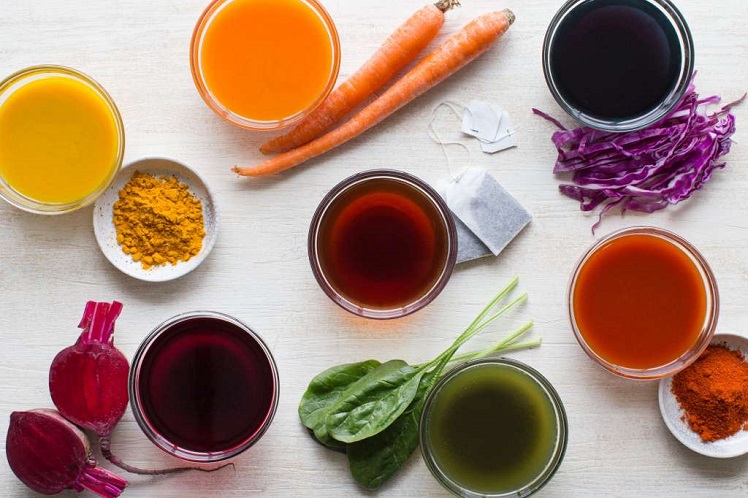
This guide walks you through how natural colors are created, why they behave the way they do, and how you can use them confidently. You will learn techniques that professional bakers swear by and the little tricks they never admit publicly.
Some chefs claim natural colors will never match the intensity of synthetic dyes.
Others insist the exact opposite because natural hues can be deeper, earthier, and more sophisticated. Neither side is wrong. Both sides are passionate. And you get to choose which side you want to play with.
Let’s begin your edible color experiment.
Table of Contents
- Why Natural Food Coloring Matters Today?
- The Science Behind Natural Colors
- The Basic Method for Turning Plants Into Color
- How to Make Six Vibrant Colors Naturally
- How to Use Natural Coloring in Frosting and Baked Goods?
- What People Get Wrong about Natural Coloring?
- How to Store Your Homemade Food Coloring?
- When Natural Coloring is Better Than Synthetic?
- Final Thoughts
Why Natural Food Coloring Matters Today?
Natural food coloring is more than a trend. It reflects a growing desire to understand what we consume. When people see frosting tinted with berries, vegetables, and flowers, something interesting happens. They feel more connected to their food. They feel like they are part of the process rather than just consumers.
Parents use natural dyes to avoid the artificial ingredients they worry about.
Bakers use them to create dreamy, soft hues that feel elegant rather than loud. And a quiet group of kitchen rebels uses them simply because they enjoy proving that nature can outperform a lab.
Professionals agree on one thing.
Natural colors behave differently from artificial ones, which makes them exciting. They shift with temperature, pH level, and time. This is not a flaw. This is a creative opportunity.
The Science Behind Natural Colors
Natural colors come from pigments that exist inside plants. Each plant’s pigment family has its own personality.
1. Anthocyanins
Found in berries, red cabbage, and purple sweet potatoes. These pigments are powerful, beautiful, and moody.
They change color when exposed to acid or alkaline conditions. Blue can turn purple. Purple can turn bright pink. And pink can fade into something unexpectedly soft. Professional bakers love them because they make desserts feel alive.
2. Chlorophyll
The pigment that makes leafy greens green. It is fresh, vibrant, and notoriously sensitive to heat.
Too much heat and your beautiful green can slip into brown. With the right technique, chlorophyll becomes the secret to your most photogenic bakes.
3. Carotenoids
Found in carrots, turmeric, and certain flowers. These are stable and bold.
They will stain everything, including your cutting board, your fingers, and possibly your soul. They are reliable in baking and ideal for beginners.
Experts agree that once you understand how pigment families behave, your food coloring becomes more predictable and more fun.
The Basic Method for Turning Plants Into Color
Creating natural food coloring is simple. You extract pigment using one of three methods: boiling, simmering, or blending raw ingredients. Then you strain it into a concentrated liquid or powder.
Here are the three professional approaches used in kitchens around the world.
1. Simmering to Extract Color
This method is gentle and ideal for blueberries, red cabbage, turmeric root, spinach, and beetroot. Simmering releases pigment slowly and consistently.
Steps
- Chop your ingredient into small pieces.
- Add it to a saucepan with just enough water to cover.
- Simmer until the water takes on a deep color.
- Strain it through a fine sieve.
- Cool completely before using.
Professionals often repeat the simmering process to intensify the pigment. More simmering means stronger color.
2. Blending and Straining
Perfect for leafy greens, herbs, carrot juice, and berries.
Steps
- Add your ingredient to a blender with a small splash of water.
- Blend until smooth.
- Strain through cheesecloth or a nut milk bag.
- Use the vibrant liquid to tint frostings or doughs.
This method keeps flavors bright and colors vivid.
3. Reducing for Concentration
When your color is too pale, reduction is the trick.
Steps
- Heat your strained liquid over low heat.
- Let water evaporate slowly.
- Remove from heat when the color becomes rich and syrupy.
Bakers use reductions for frostings that require intense pigment without adding too much moisture.
How to Make Six Vibrant Colors Naturally
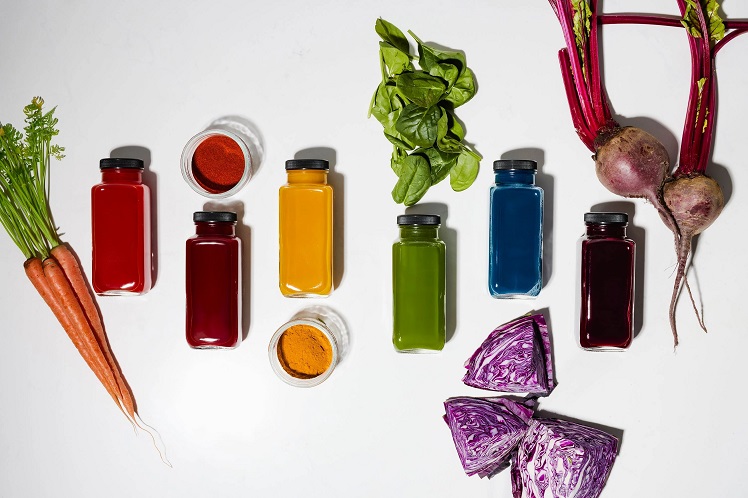
Below are the exact ingredients and techniques that bakers rely on to create colors that stand out.
1. Pink
Ingredient: Beetroot or raspberries
Method: Simmer chopped beets until deep pink. Or blend raspberries and strain.
Use for: Buttercream, glaze, whipped cream, cookies
Pro tip: Beet color is strong but flavor fades when used sparingly. Raspberries create a softer shade.
2. Red
Ingredient: Beet powder or hibiscus
Method: Use dehydrated beet powder for stronger red. Or simmer hibiscus petals.
Use for: Valentine cakes, Christmas cookies, berry fillings
Pro opinion: Hibiscus creates a regal red that professionals love because it stays stable longer.
3. Orange
Ingredient: Carrots or turmeric
Method: Simmer grated carrots or whisk a tiny pinch of turmeric into frosting.
Use for: Fall themed cakes, sunrise palette macarons
Warning: Turmeric stains everything. It will not apologize.
4. Yellow
Ingredient: Saffron, turmeric, or golden beet
Method: Saffron gives luxury. Turmeric gives drama.
Use for: Lemon cakes, shortbread, holiday breads
Heat note: Turmeric becomes more vibrant with heat.
5. Green
Ingredient: Spinach, parsley, or matcha
Method: Blend raw spinach with water and strain for the freshest green.
Use for: Spring cupcakes, mint themed desserts
Scientist note: Chlorophyll hates heat. Add green color at the end to preserve vibrancy.
6.Blue and Purple
Ingredient: Red cabbage or butterfly pea flower
Method: Simmer red cabbage to extract purple. Add baking soda to shift the color toward blue.
Use for: Mermaid cakes, galaxy frosting
Controversy: Some bakers argue red cabbage blue is not blue enough. Others say it is superior because it feels organic and magical.
How to Use Natural Coloring in Frosting and Baked Goods?
Frosting is the easiest place to start. Buttercream absorbs color beautifully. Royal icing works well with reductions. Glazes respond well to berry based hues.
When adding natural color to frosting
- Start with a few drops.
- Mix fully.
- Let it rest for a minute to see the true shade.
- Adjust as needed.
For baked goods, remember that heat can soften colors. Your batter might look bold before baking but appear lighter afterward. This is completely normal. Professionals embrace it as part of the charm.
What People Get Wrong about Natural Coloring?
Some claim natural colors are weak or unreliable. This belief usually comes from using too much water or not reducing pigments enough. Others expect neon results.
Natural pigments are sophisticated. They do not scream. They whisper with confidence.
Another misconception is that natural coloring affects flavor. It can, but only when large amounts are used. Most frostings require only small amounts which leave flavor unchanged.
The final myth is that natural food coloring is too difficult for beginners. In reality, it is easier than most think. Once you understand pigment behavior, you can control the outcome like a pro.
How to Store Your Homemade Food Coloring?
To keep your colors fresh:
- Store liquids in airtight jars in the refrigerator.
- Natural dyes typically last one to two weeks.
- Freeze in ice cube trays for long term storage.
- Powders last much longer and remain stable for months.
Professional kitchens often freeze colors so they are always ready for holiday rushes.
When Natural Coloring is Better Than Synthetic?
Natural coloring creates a sense of authenticity that synthetic dyes cannot replicate. Cakes look more artistic. Frostings feel handcrafted. Food becomes more than food. It becomes an experience.
But experts also admit that synthetic dyes offer stronger consistency. Many high level bakeries mix methods.
They use natural colors for artisanal products and synthetic dyes when customers demand predictable brightness.
Should you mix? Absolutely. Choice is freedom. Natural coloring is not a moral test. It is an artistic tool.
Final Thoughts
Natural food coloring brings creativity, science, and a touch of rebellious joy into the kitchen. It challenges assumptions and rewards experimentation.
It reduces your reliance on artificial ingredients while giving your baking a story worth telling. The more you practice, the more you will understand how pigments behave and how beautifully they transform your creations.
Your kitchen is now a tiny laboratory of color. And nature is ready to play.