
Sustainability in the textile industry is no longer a fringe topic discussed only in academic circles or boutique design studios. The global fashion and textile sector is now undeniably at a crossroads where environmental urgency, social justice, and economic realities converge.
Over the last decade, sustainability has gone from an optional marketing claim to a core strategic priority for brands, governments, and consumers alike.
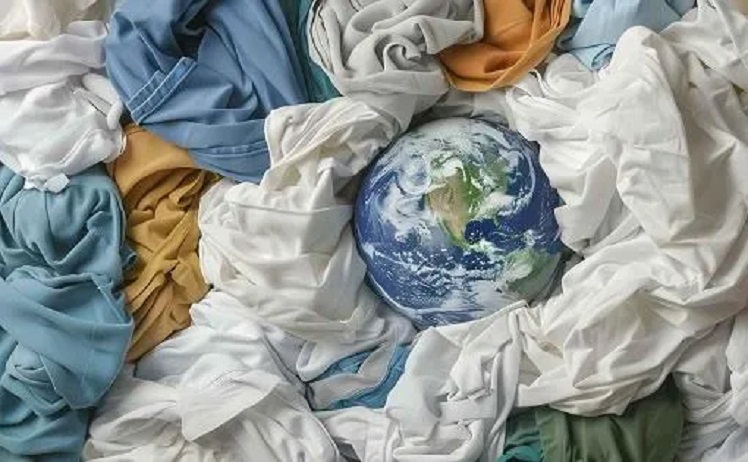
Yet, despite the momentum, the currents pushing sustainability forward are counterbalanced by persistent constraints that complicate progress.
In this article, we explore the multifaceted landscape of textile sustainability, examining the major challenges, the innovations driving change, and the systemic shifts that must occur if sustainability is to move from aspiration to measurable reality.
Table of Contents
The Textile Industry’s Sustainability Imperative
The textile sector ranks among the world’s most resource‑intensive industries. From the cultivation of natural fibers to the manufacture of synthetic materials, textiles consume vast quantities of water, energy, and chemical inputs.
Dyeing and finishing alone account for a significant percentage of industrial water pollution globally, and clothing production continues to generate large amounts of carbon emissions.
In many regions, especially developing economies, textile manufacturing represents both a major economic engine and a source of environmental strain. This duality creates a complex challenge that cannot be resolved by simple adjustments.
At the core of the sustainability imperative are resource depletion, pollution, and waste accumulation.
Textile production requires enormous volumes of freshwater and often results in contaminated wastewater, while fast fashion’s rapid turnover accelerates consumption and disposal rates.
Overproduction paired with declining garment lifespans means textiles increasingly end up in landfill or incinerated, contributing to environmental degradation rather than circular resource use.
Addressing these impacts will require actionable commitments beyond superficial pledges.
Defining the Key Constraints
1. Resource Intensity and Environmental Impact
Textile manufacturing is extremely resource‑heavy. One of the most striking examples of this is global water usage linked to cotton cultivation and dye processing.
In conventional cotton farming, pesticides and irrigation practices place significant stress on ecosystems.
Moreover, many dyeing processes rely on chemicals that can evade treatment systems and enter local waterways, posing threats to human and ecological health.
Beyond water, the rise of synthetic fibers such as virgin polyester (made from fossil fuels) has dramatically increased the industry’s carbon footprint.
Recent data shows that clothing emissions continue to rise, driven in part by polyester’s dominant share of global fiber output and ongoing dependence on cheap materials that are difficult to recycle efficiently.
This creates a paradox: materials that enable affordability and fast production often carry the heaviest environmental costs.
2. Supply Chain Complexity and Transparency
The global nature of textile supply chains complicates efforts to monitor and enforce sustainability standards. Raw fibers might be grown in one country, spun into yarn in another, manufactured into garments elsewhere, and sold worldwide.
This fragmentation makes it difficult to trace environmental and social outcomes across all stages of production.
Many suppliers operate with limited transparency, especially in regions with weak labor protections or lax environmental regulation. Without clear visibility, brands struggle to ensure compliance with sustainability commitments, even when intentions are sincere.
3. Fast Fashion and Consumer Demand
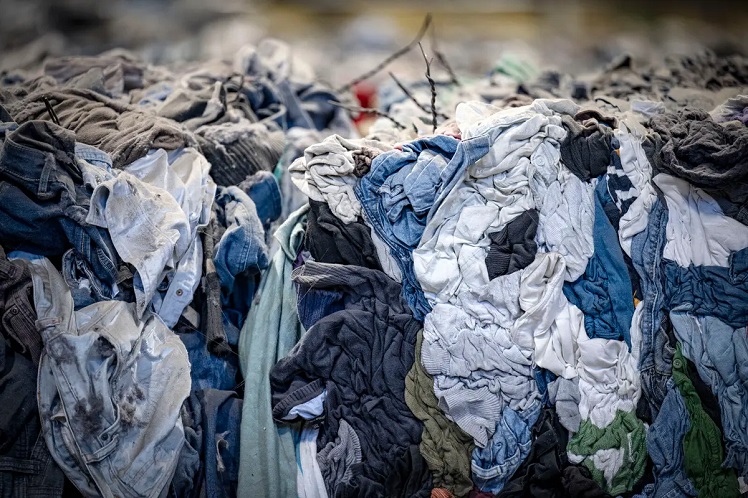
Consumer demand for ever‑trending styles at low prices has fueled the rise of fast fashion. This business model is fundamentally at odds with sustainability principles. Mass production of low‑cost garments encourages high turnover and short usage cycles, resulting in mountains of textile waste.
Although some brands now offer take‑back programs and recycling initiatives, these efforts often fail to keep pace with the volume of clothes produced and discarded each year.
The global export of used textiles tells another side of this story. Markets in countries like Ghana receive vast quantities of second‑hand clothing from wealthier nations. While some garments find new life, a large share remains unsellable and ends up polluting sensitive ecosystems, including protected wetlands and waterways.
This reveals a broader systemic failure: recycling mechanisms in developed economies often export the consequences of overconsumption rather than resolve them.
Leveraging Innovation and Strategic Pathways
Despite the severity of these constraints, there is significant movement toward sustainable solutions. Experts and industry leaders agree that incremental improvements alone will not suffice; systemic transformation is necessary.
1. Material Innovation
One of the most promising avenues for environmental impact reduction is the adoption of sustainable materials.
Natural fibers grown using regenerative agricultural practices, recycled polyester derived from textile waste (rather than plastic bottles), and next‑generation fibers such as those created from milkweed or other plant sources are gaining attention.
These alternatives have the potential to reduce reliance on petroleum‑based fibers and improve biodegradability while maintaining performance qualities valued by consumers.
However, innovation at the material level requires investment and collaboration across the value chain. Scaling new fiber production must align with processing infrastructure and market demand.
Without these linkages, even the most sustainable raw materials remain marginal.
2. Circular Economy Models
The concept of circular fashion is gaining traction as an antidote to linear “take‑make‑dispose” systems. Circular models aim to retain value within the textile ecosystem by extending product life through reuse, repair, recycling, and remanufacture.
Circular initiatives are emerging worldwide, particularly in markets where recycling infrastructure and policy frameworks support closed‑loop systems.
Yet these remain exceptions rather than the norm.
Achieving circularity also involves rethinking design principles. Zero‑waste fashion and upcycling are design philosophies that minimize waste at the source by cutting patterns that leave little unused fabric or transforming existing garments into new designs.
Beyond aesthetic appeal, these approaches challenge traditional manufacturing norms and emphasize resource efficiency without compromising creativity.
3. Regulatory and Policy Frameworks
Government policies play a pivotal role in driving sustainability at scale. Extended producer responsibility regulations, environmental reporting mandates, and incentives for green technologies can shift industry practices more decisively than voluntary pledges alone.
Regulatory frameworks that hold producers accountable for end‑of‑life disposal and lifecycle impacts can prompt deeper commitment to sustainable design and material choices.
For policymakers, aligning environmental, economic, and social objectives is complex.
But a coordinated approach that values environmental stewardship and worker welfare alongside industrial growth will be essential if sustainability is to transcend rhetoric and deliver measurable outcomes.
The Human Dimension: Labor and Social Equity
Sustainability is not solely an environmental challenge. Equally important are the social conditions experienced by workers across the textile supply chain. In many manufacturing regions, labor exploitation, unsafe working conditions, and lack of fair compensation persist.
Addressing these concerns requires transparent supply chains, enforceable labor standards, and genuine partnerships between brands, suppliers, and worker advocacy groups.
Professionals engaged in sustainability emphasize that technical solutions are insufficient in isolation. Without equitable labor practices, sustainable textiles risk becoming a privileged domain that overlooks the people who make the clothes.
Consumer Behavior and Cultural Shifts
Ultimately, sustainability depends as much on consumer choices as on industrial innovation. Awareness campaigns, educational initiatives, and incentives for responsible consumption can shift patterns away from disposable fashion and toward mindful purchasing.
This includes embracing second‑hand markets, choosing durable and ethically produced garments, and supporting brands that demonstrate transparency and accountability.
Consumer engagement amplifies industry efforts and creates market demand that rewards sustainable practices. However, it also challenges consumers to confront the true cost of convenience and affordability.
Sustainability, experts argue, involves not just greener products but a cultural shift that values durability, repair, and resource consciousness as core values.
The path toward textile sustainability is neither linear nor simple. It requires alignment across stakeholders: designers, manufacturers, regulators, consumers, innovators, and civil society.
Technological innovations, such as advanced recycling systems and digital sorting platforms, hint at future possibilities where waste streams become assets and resource loops close more effectively.
Yet innovation must be matched with systemic commitment and supportive policy environments if it is to flourish at scale.
In this journey, the textile industry has the opportunity to redefine itself—not as a sector notorious for environmental harm, but as a model of regenerative practice and ethical production.
This transformation demands courage, creativity, and a willingness to confront entrenched constraints head‑on.
Every step toward sustainability, no matter how incremental, contributes to broader cultural and environmental progress. Navigating these currents and constraints is not simply an industry challenge.
It is a global imperative that calls on all of us (producers and consumers alike) to envision and enact a textile future that is just, resilient, and truly sustainable.